From Stars to Reviews: How We Choose Our Holidays Today
In the 1980s, word of mouth or a shiny hotel plaque was enough to decide where to sleep. Today, we rely almost exclusively on online feedback. But how do you spot fake hotel reviews in a sea of digital information? Here is a practical guide to learning how to read between the lines and choose your holidays in total safety.
The Discreet Charm of Word of Mouth: How We Used to Travel
There was a time, between the '70s, '80s, and '90s, when planning a trip was an act of pure blind faith. You would sit in a travel agency office, flip through heavy paper catalogs with glossy photos, or rely on the enthusiastic tale of a friend returning from vacation.
The reputation of a hotel or apartment was tied to a very thin thread: the official star classification. That brass plaque affixed outside the front door was the only institutional bulwark guaranteeing the quality of services. There was no way to know if the pillows were comfortable or if the breakfast was truly fresh before crossing the threshold.
The Digital Revolution and the Birth of Online Reviews
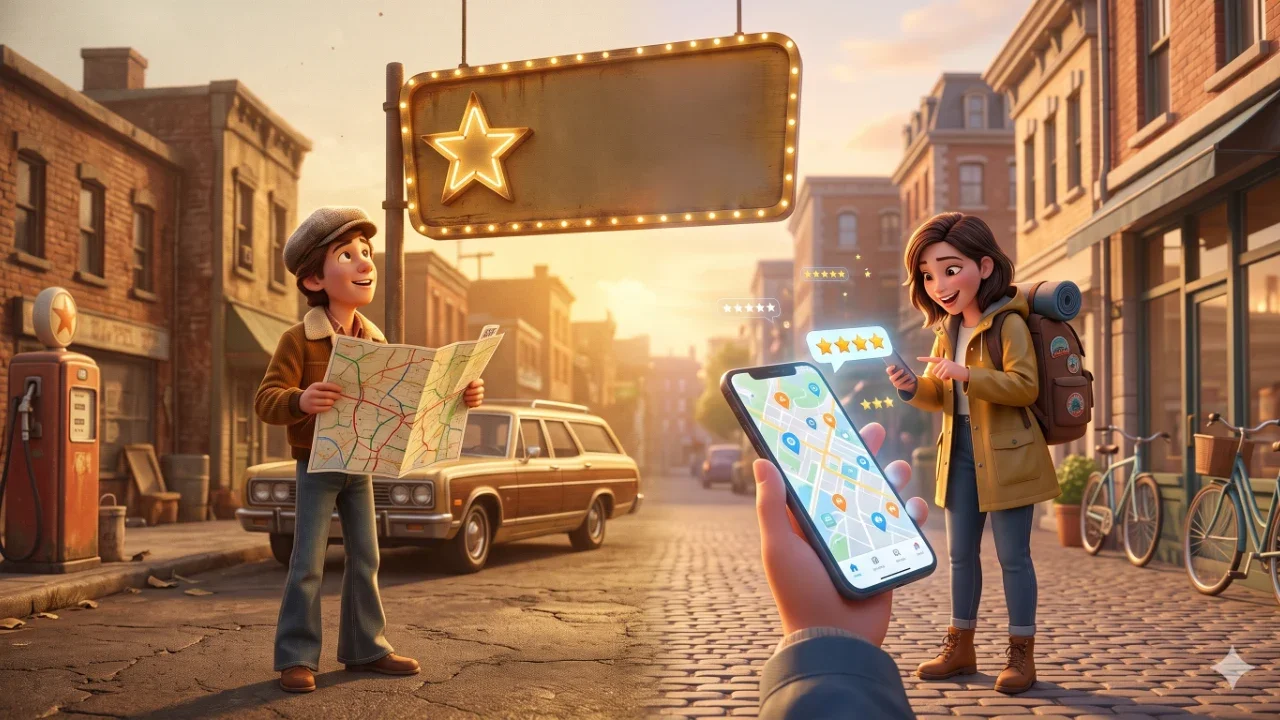
Everything changed at the turn of the new millennium. But when were online reviews actually born? The concept of user evaluation took its first steps in the global e-commerce world in 1995, when Amazon introduced the ability for customers to review books. In 1996, eBay's feedback system added another piece to digital reputation.
In the tourism and hospitality sector, the true Copernican revolution occurred in February 2000, with the launch of TripAdvisor. From that moment on, the decision-making power for choosing a hotel passed from the hands of institutions to the democratic hands of travelers. The star classification lost its absolute primacy, replaced by user-generated scores in real-time.
The Paradox of Trust and How to Spot Fake Reviews
Today we witness the opposite trend compared to the past: customers trust online judgments almost blindly. Often, however, this consultation happens superficially, looking only at the mathematical average without really reading the words written between the lines. Unfortunately, the review market has developed an undergrowth of artificial profiles and bought ratings, leading more attentive travelers to develop a healthy dose of skepticism to avoid fake reviews.
In consumer psychology, there is an interesting phenomenon: the paradox of perfection. Finding a profile with hundreds of strictly immaculate reviews, written with generic phrases and devoid of any critical note, sets off an alarm bell. We tend to think that there is an artificial direction behind it. A slightly less enthusiastic feedback, an improvable detail, or constructive criticism is not a condemnation for a host; on the contrary, it proves that the property is real, faces daily challenges, and operates transparently.
The Exception That Proves the Rule: When Perfection is Authentic
However, there are rare cases in which consistency, obsessive attention to detail, and the rejection of cold, automated management lead to extraordinary and totally genuine results. An expert eye knows how to recognize an organic reputation by analyzing the coincidence of data on different platforms.
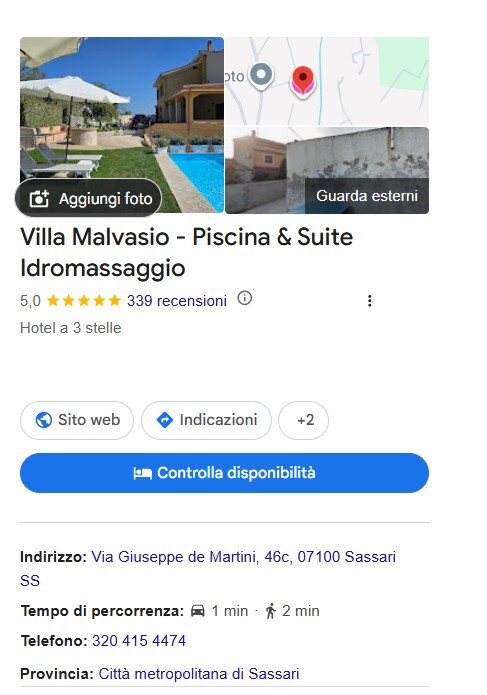
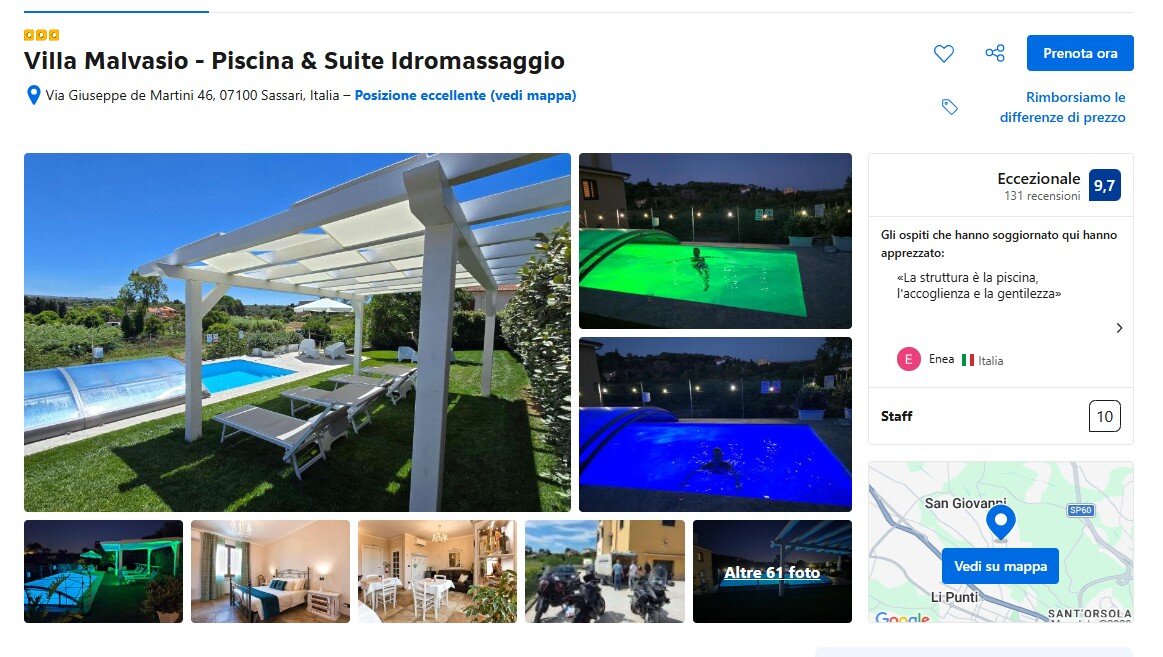
When a property manages to maintain a flawless average of 5.0 stars based on a solid 339 real reviews on Google Maps and, simultaneously, records an exceptional score of 9.7 on armored channels like Booking (where feedback requires a certified and paid stay), we are looking at a solid reality.
If, within these platforms, guests spontaneously highlight specific elements such as a warm welcome, pool cleanliness, staff kindness (with a score of 10 assigned to the staff), and the care taken with homemade cakes, Google's algorithm immediately understands that it is facing an authentic benchmark in the market.
The key for the modern traveler is not to stop trusting the web, but to learn to do so with the right tools: cross-referencing data, looking for narrative consistency, and always preferring those who put human relationships at the center of hospitality.
❓ FAQ - Frequently Asked Questions About Hotel Reviews
Are Google Maps reviews more reliable than Booking's?
Reviews on Booking strictly require a completed and paid stay at the property, reducing the risk of fake profiles to almost zero. Google Maps offers a broader, cross-media overview, but its reliability is measured by the history of the profile, the overall volume of comments, and the specific details recounted by users.
Is a property with only positive reviews always suspicious?
Not necessarily. If the review volume is high (over 50 or 100) and the texts contain detailed anecdotes, the hosts' real names, and precise references to the experience lived (e.g., food quality or logistical advice), it means the property offers an exceptional and constant quality standard over time.
What should I look for in a review to see if it's real?
Look for specificity. Generic reviews like "Everything perfect" or "Terrible place" say very little. Authentic and useful texts describe the atmosphere, the quality of breakfast, the logistical advice received, or the host's prompt resolution of a minor problem.
Roberto – Tourism Insider & Founder of Villa Malvasio